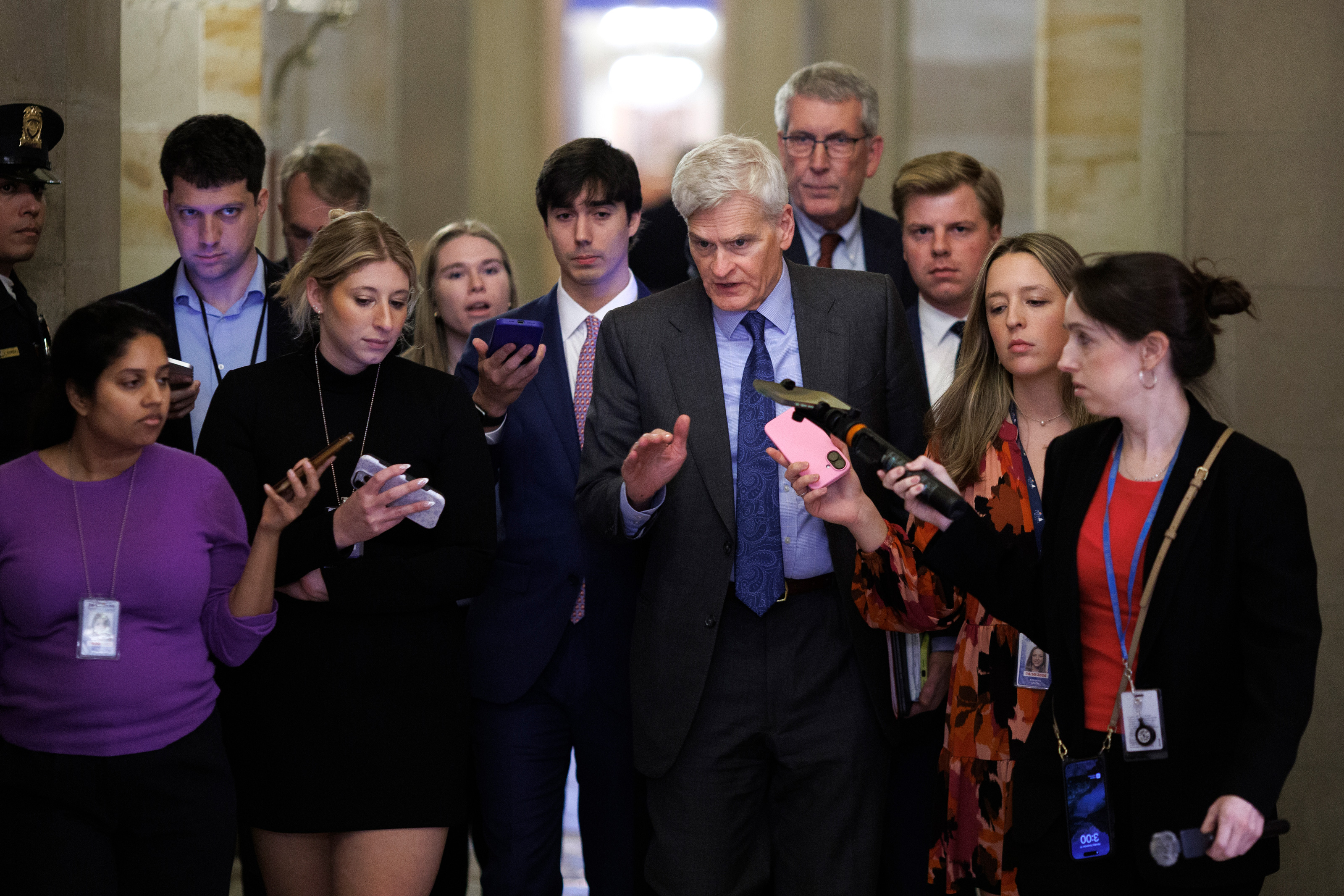
Medicaid Work Requirements

KFF Health News: Medicaid Work Rules Exempt the ‘Medically Frail.’ Deciding Who Qualifies Is Tricky.

New federal rules will require more than 18 million Medicaid enrollees nationwide to show they’re working, volunteering, or going to school for 80 hours a month starting in 2027 to keep their coverage. But lacking sufficient federal guidance, states are wrestling with how to define medical frailty — a consequential decision that could cut Medicaid coverage for many people, said state officials, consumer advocates, and health policy researchers.

Tracking Implementation of the 2025 Reconciliation Law: Medicaid Work Requirements

KFF’s interactive tracks key data and policies that will affect how states implement Medicaid work requirements, which are required under the 2025 budget reconciliation law starting in January 2027. The tracker includes state-level data on Medicaid enrollment and renewal outcomes as well as current state enrollment and renewal policies.

Timely insights and analysis from KFF staff

AFFORDABILITY

New and Noteworthy

KFF Health Tracking Poll: Knowledge and Views of Medication Abortion

This KFF Health Tracking Poll finds that many, including women of reproductive age, remain unfamiliar with key facts about mifepristone. Fewer than half of all adults say they believe abortion pills are safe now, compared to over half of all adults two years ago. This poll explores awareness and perception of the recent FDA review of the medication, and support for policies aimed at restricting it.

Where Do Female Medicaid Enrollees Receive Their Contraceptive Care?

KFF shares the first state-level view of the role of different reproductive health safety net providers in contraceptive care for female Medicaid enrollees. In 2023, more than 4 in 10 female Medicaid enrollees had their last contraceptive visit at a Planned Parenthood, community health center, health department, or Indian Health Services.

Video: Explaining the ACA Marketplace Insurance Cost Increases

ACA marketplace premiums are going up an average of 26%. But what enrollees will pay could go up an average of 114%. How can both of those numbers be right? This short video explains the difference between what insurers charge and what enrollees will pay if the enhanced premium tax credits expire.

Subscribe to KFF Emails

Choose which emails are best for you.
Sign up here